Passive IoT Goes Full Scale in 2026: UHF RFID Tags Become the Building Blocks of Industrial Digitali
时间: 2026-11-24 10:29
Trend: Passive IoT Reaches Deployment Scale
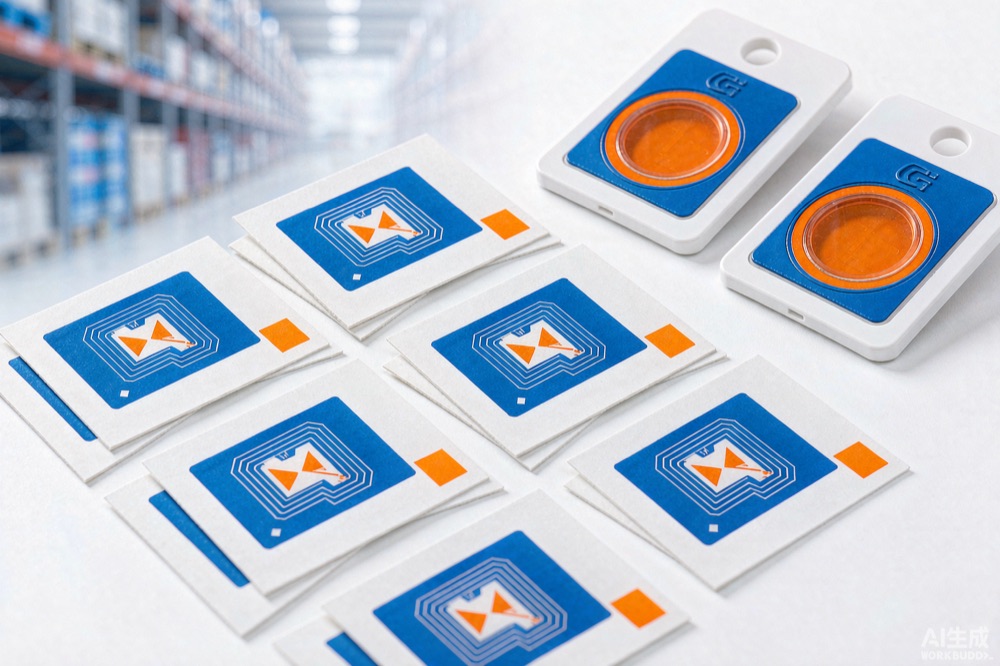
In 2026, passive IoT is shifting from proof-of-concept to production rollouts across warehousing, retail and manufacturing. UHF RFID tags, with no battery, long lifespan and batch-reading capability, are proving to be the most cost-effective sensing layer for industrial digitalization, and item-level tagging is expanding to more product categories than ever.
Three Key Drivers
- Mature standards and ecosystem: passive backscatter and Bluetooth Channel Sounding are complementing each other, while chip and inlay makers add support for next-generation protocols.
- Falling unit costs: mass production of RFID inlays keeps pushing per-tag prices down, making item-level tagging viable in more categories.
- Reading reliability: compared with vision and sensor solutions, RFID delivers more deterministic batch-read performance in metal, liquid and dusty industrial environments.
A Manufacturer's Answer
As a dedicated RFID manufacturer, SHENGHUA RFID continues to refine antenna design and lamination processes for UHF inlays and tags, offering multi-specification and multi-adhesive options for supply chain visibility, plus stable UHF RFID tag supply and OEM customization for overseas customers.
Bottom Line
For brand owners and system integrators, the 2026 question has changed from “should we adopt RFID?” to “which tag and read strategy fits our SKUs?” As product assortments fragment, frequency matching, tag size and surface compatibility increasingly determine read rates after go-live.
